

Visualising German: learning with images

Visual aids are powerful memory anchors ⚓ – especially when it comes to language learning.
Language patterns are often easier to remember when they’re linked to a striking image.
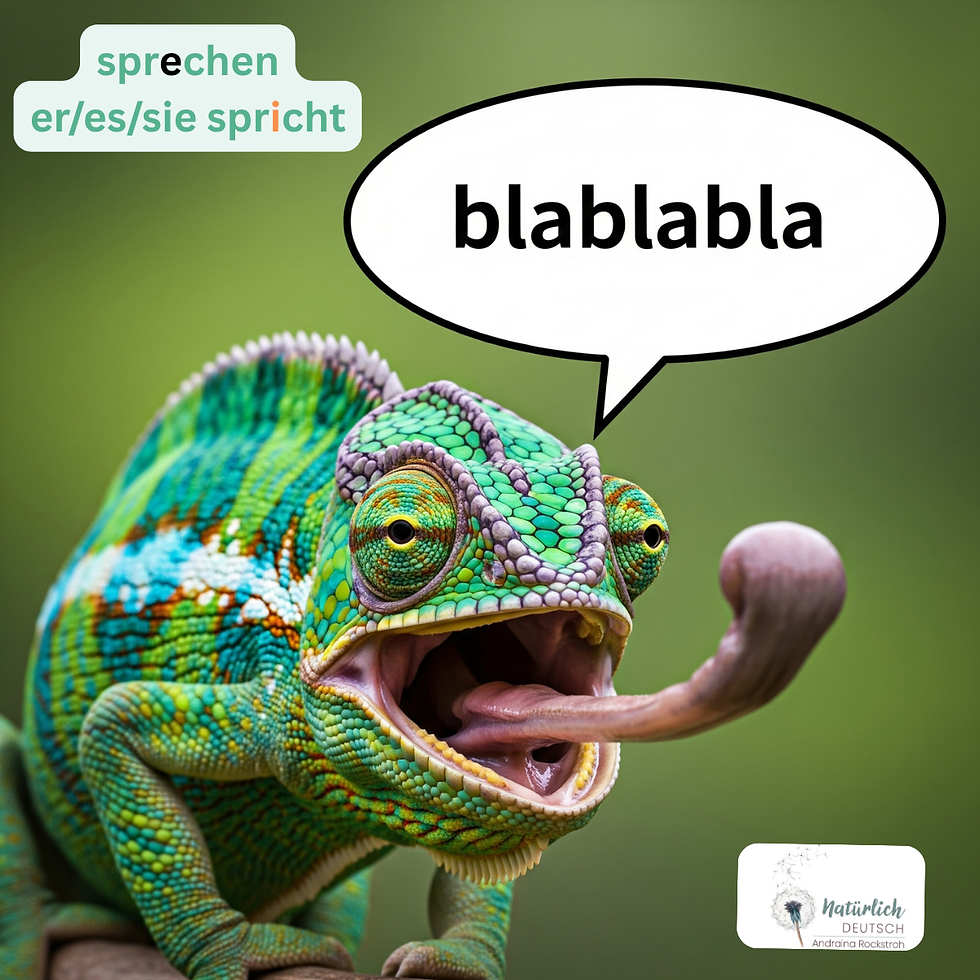
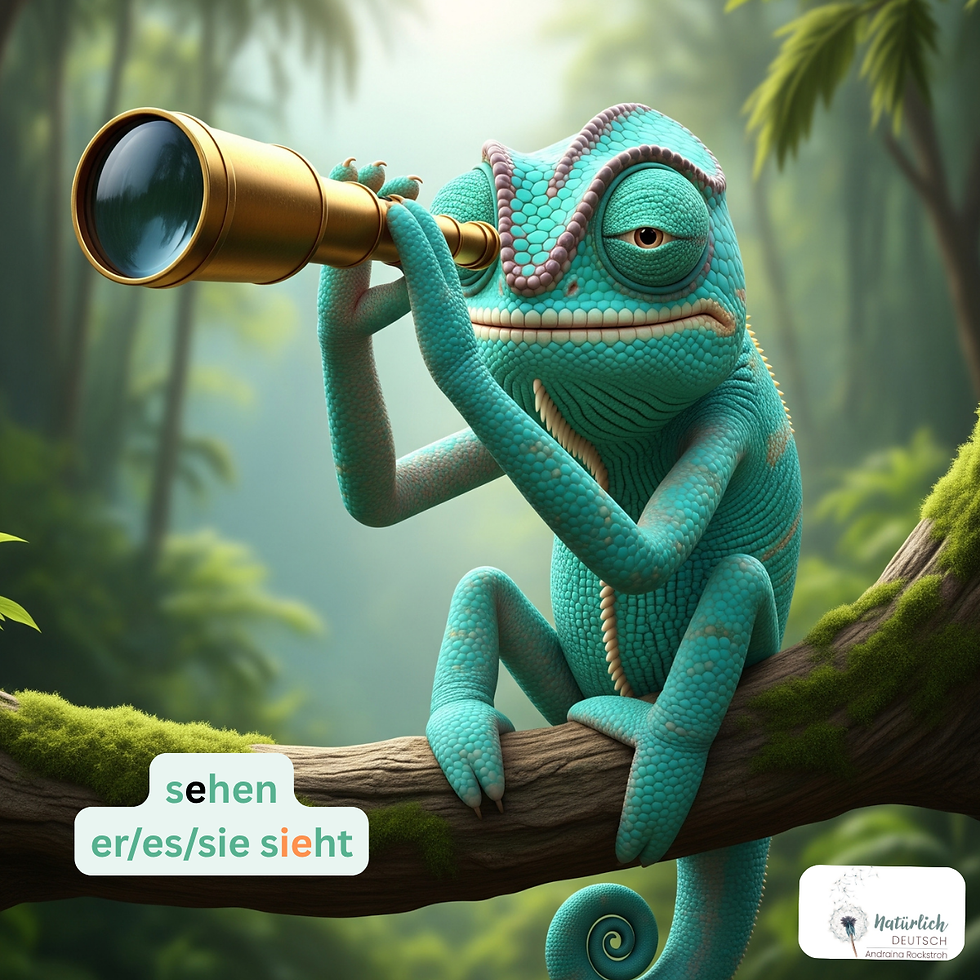
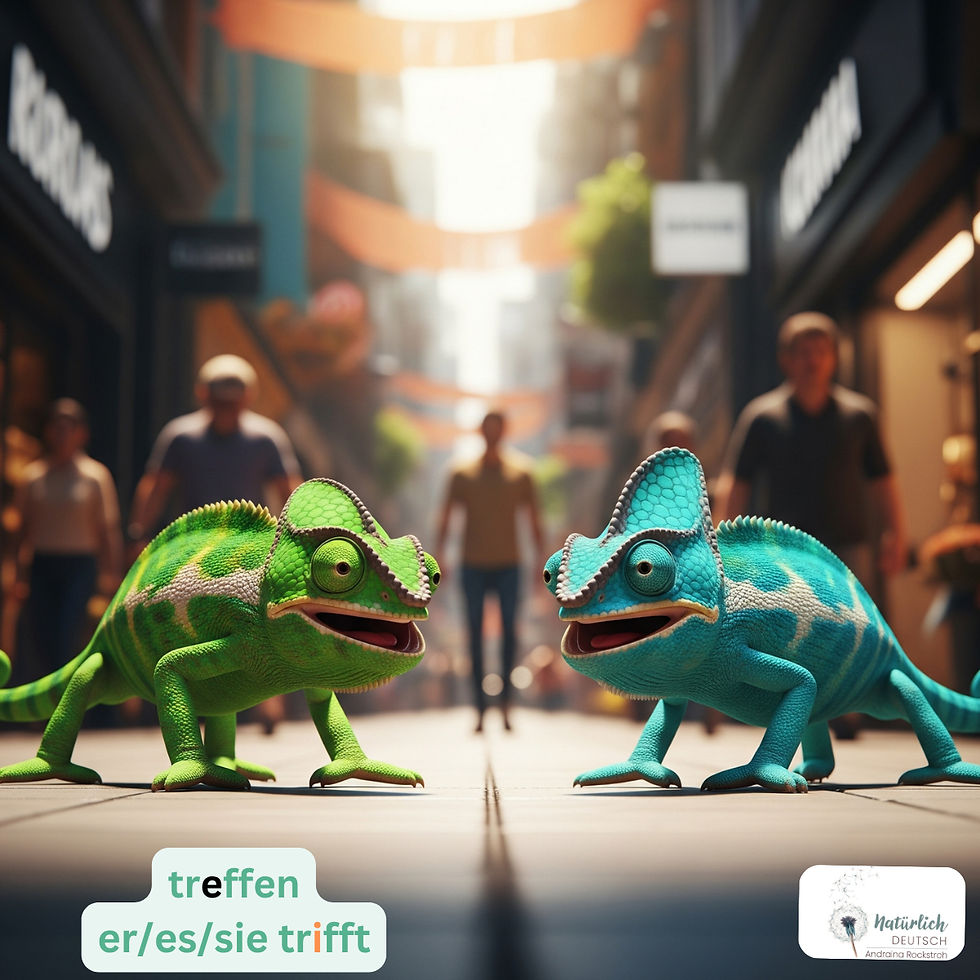
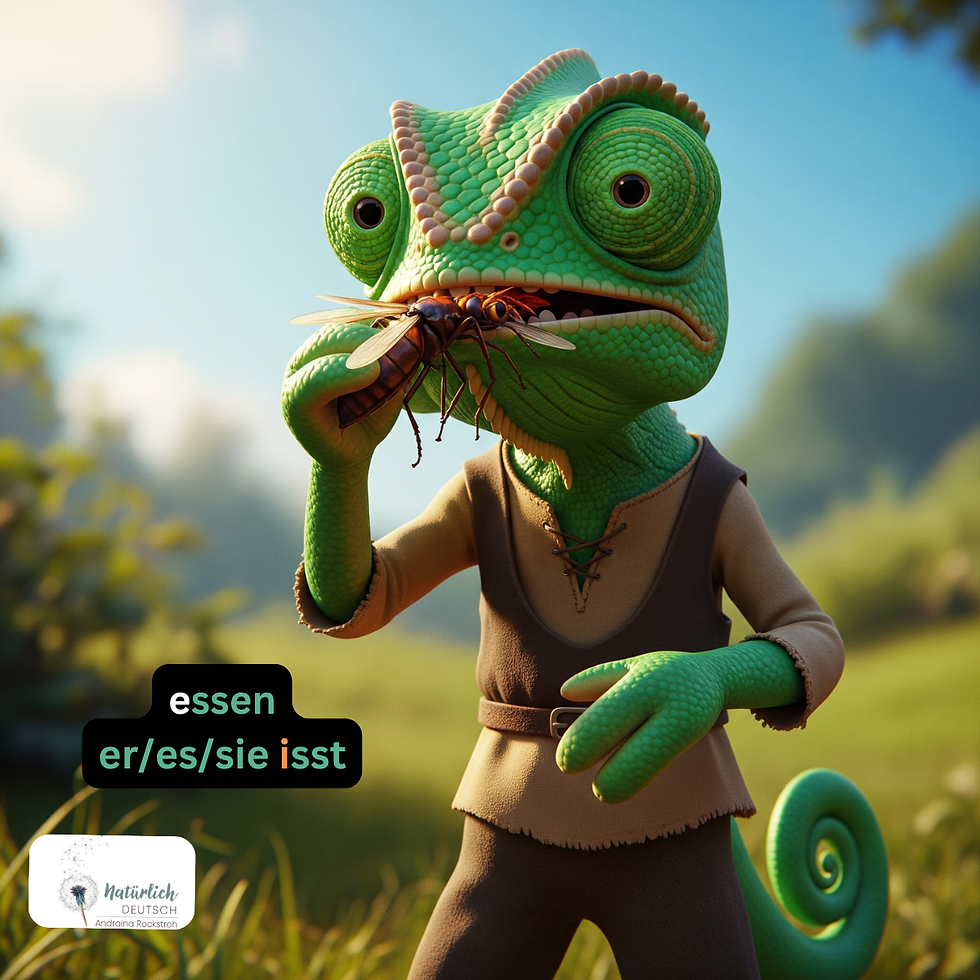
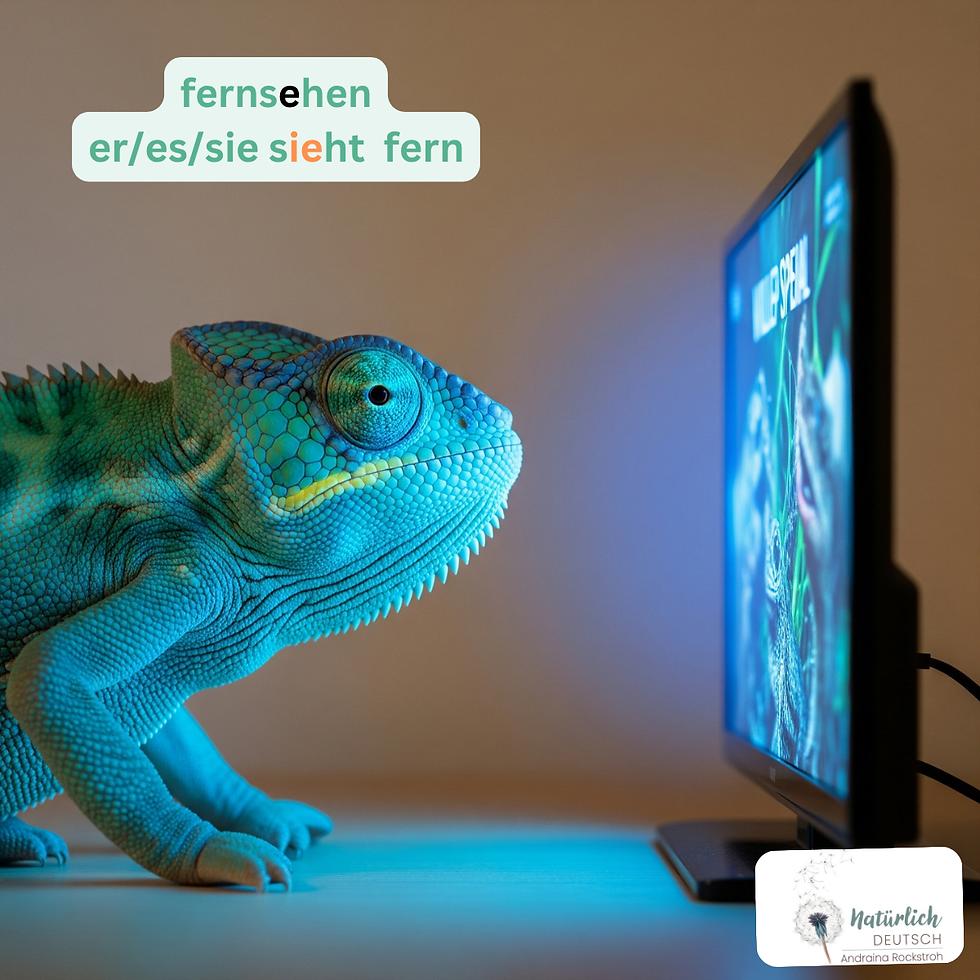
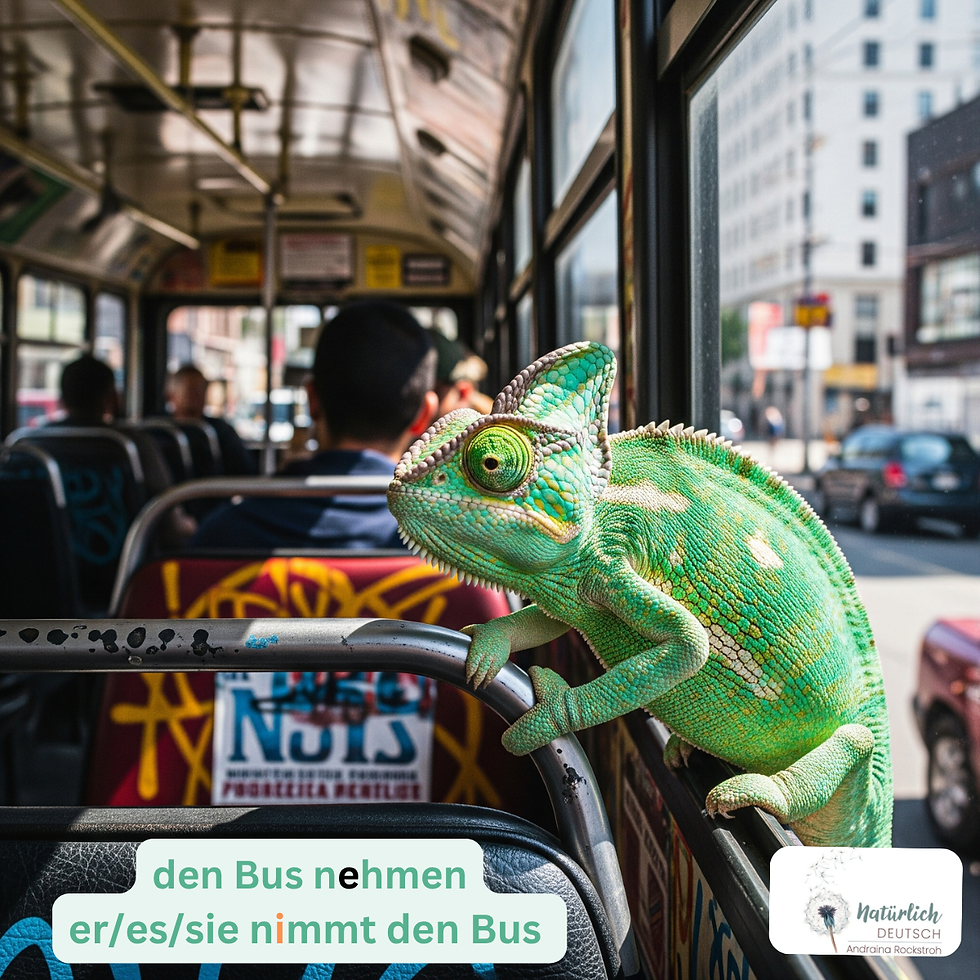
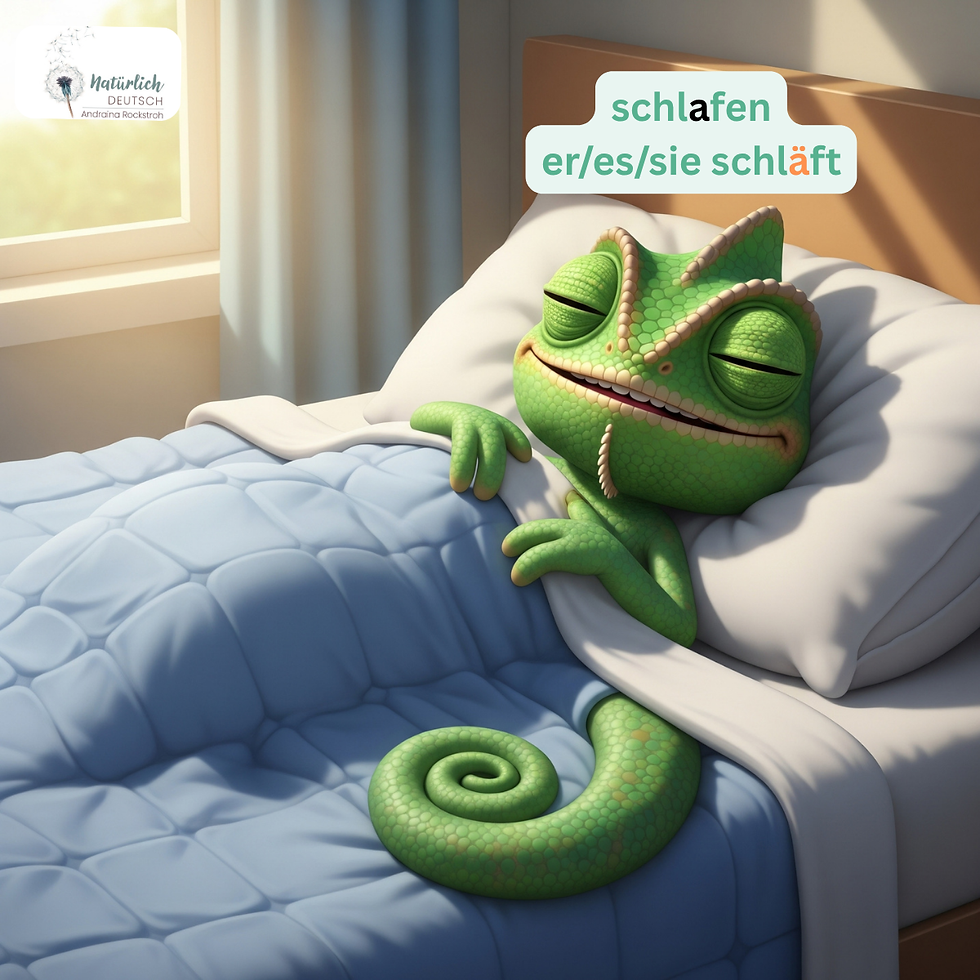
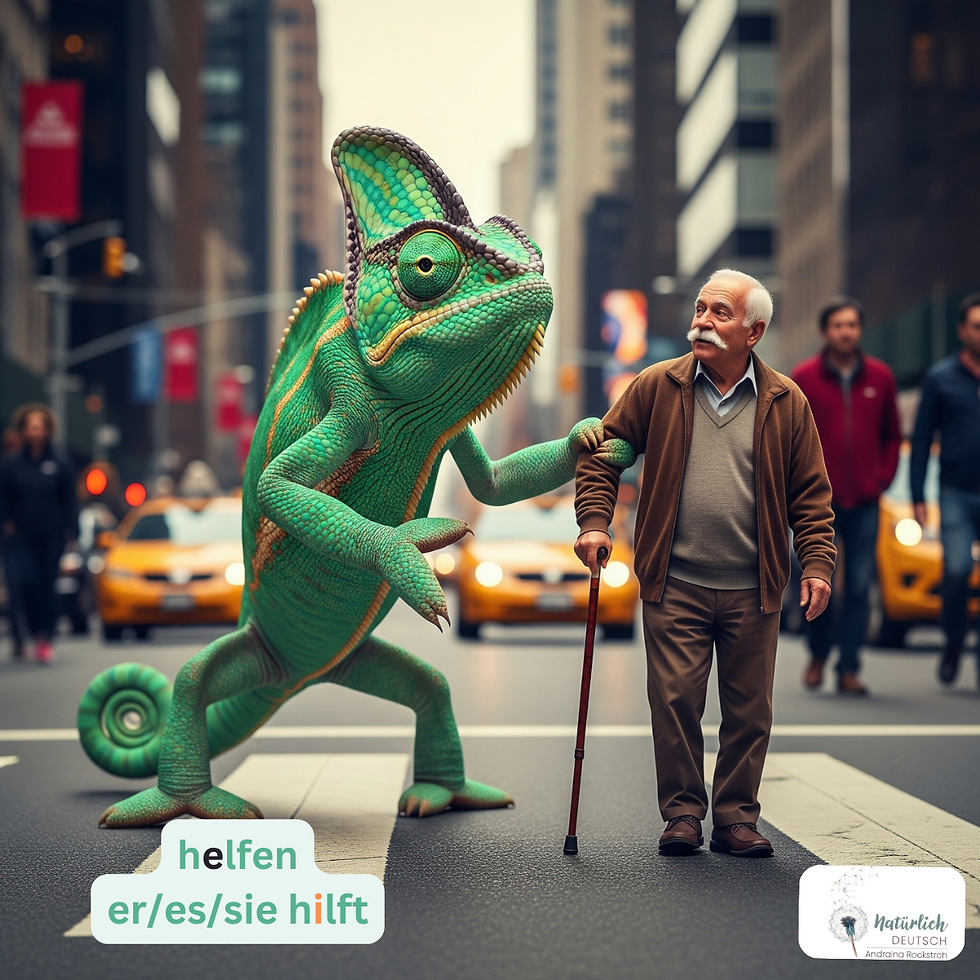
🦎 That’s why I brought a chameleon into the game to explain vowel changes in irregular German verbs: it changes its colour – just like some verbs change their stem vowel.
📸 In the pictures, the chameleon is shown doing typical actions – it helps, it drives, it sleeps… – and in doing so, it also shows the vowel change visually. Grammar becomes an image – and that sparks the memory.
🎨 The idea is inspired by Ramón García Guinarte (SIO) and uses visualisation as a conscious mnemonic tool. Abstract grammar turns into something you can actually see and grasp!
📚 From a didactic perspective, this brings many benefits: learners spot patterns more quickly, activate prior knowledge, and retain new structures more effectively. Visualisation also boosts motivation and makes complex content more accessible – especially for younger learners or those with a visual learning style.


Comments